Selling during a divorce
Sell Your House During Divorce in Cincinnati
Selling a house during a divorce can mean making property decisions while other parts of life are changing. We help you consider a direct, as-is sale without preparing for showings. Call or use the short form to discuss the house with our local buyer and request a no-obligation cash offer.
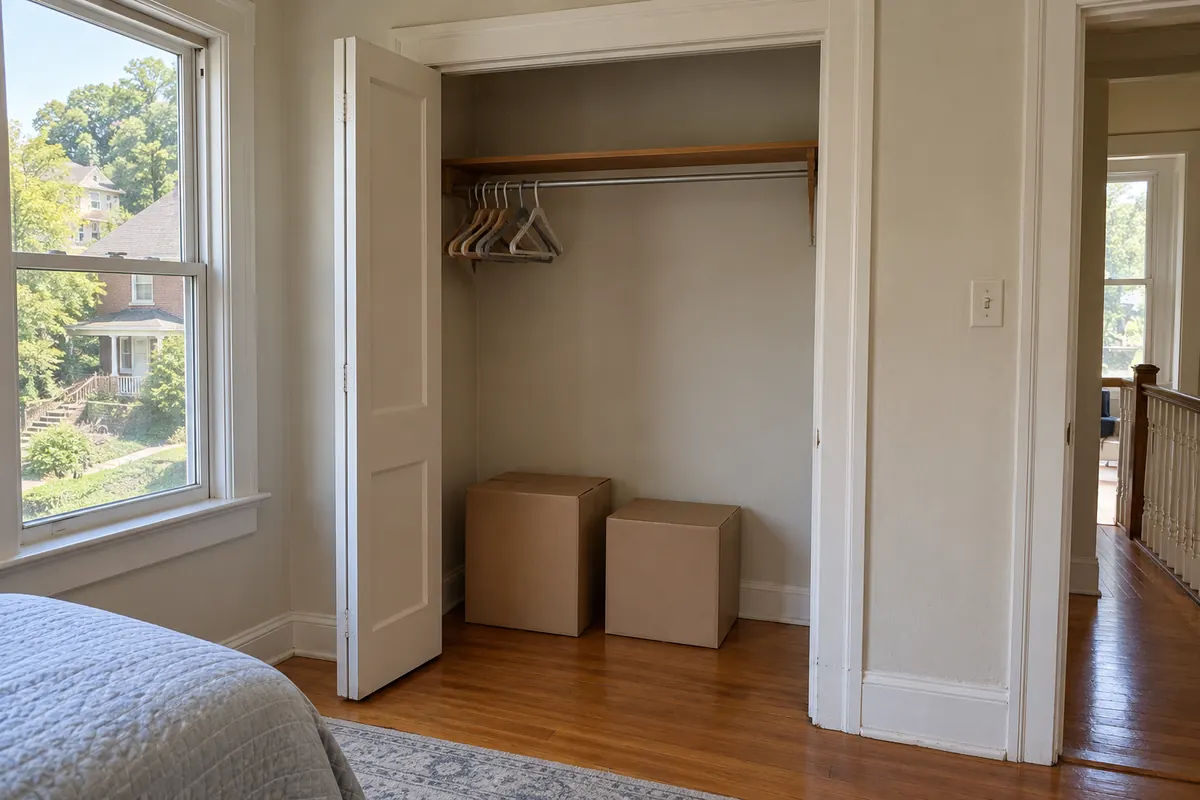
Consider a sale without shared renovation work
You can explore selling the house without agreeing on paint colors, repair projects or a schedule of open houses. We help Cincinnati homeowners discuss an as-is purchase with our local buyer. A direct sale gives you a proposal to consider while your attorneys handle the divorce matters.
Preparing a property together may be difficult when you are living separately or sorting out other responsibilities. Even ordinary choices about cleaning, contractors and access can become another point of friction. Selling without that preparation lets you focus your property discussions on the agreement, the belongings and the handoff instead of a project list.
Establish agreement before committing
Both owners usually need to agree to the sale and sign the necessary documents. A court order may also set terms for the property or require its sale. Ask your attorney to explain what your circumstances allow before you sign an agreement or promise a particular arrangement.
We do not decide how proceeds should be divided between spouses. That belongs with you, your attorneys and any applicable court direction. Tell our local buyer who is involved in the decision and how you want property information shared. Keep the sale discussion practical, with questions about legal rights directed to your attorney rather than the buyer.
Put the practical terms in writing
A written purchase agreement gives everyone a specific set of property terms to review. Discuss what stays in the house, what each person needs to remove and how access will be arranged. Avoid relying on a verbal understanding about belongings or possession when those details matter to either owner.
Our local buyer makes the cash offer, and you decide whether to accept after reviewing it. Listing with an agent can bring more for a house in good condition, while a cash sale trades some price for less preparation and fewer moving parts. You can compare a direct sale with listing before choosing a direction together.
Use a neutral closing process
A title company or closing attorney handles the transaction paperwork and closing. That provides a defined process for transferring the house rather than leaving the details to informal arrangements between spouses. Your separate attorneys remain the people to ask about the divorce agreement and the division of proceeds.
Discuss signing arrangements with the closing professional, particularly if either person has moved out or wants to avoid unnecessary meetings. Ask what information is needed from each owner and how questions about the closing documents will be handled. We can help connect you with our local buyer for property discussions without taking a side in personal disagreements.
Coordinate the date and possession
You and the buyer choose a closing date once the title work is done. Discuss the move, belongings and key handoff as part of that plan. If children or other household members are moving too, include the practical arrangements you need to settle before agreeing to possession terms.
A direct sale avoids repeated showings and open houses, so you do not need to keep coordinating a listing schedule together. Share any unresolved property logistics before the agreement is finalized. The aim is a clear sale with a defined closing and handoff, while the decisions about your separation remain with you and your professional advisers.
Sources: codes.ohio.gov
Arrange the House Sale During Your Divorce
Share the property details
Contact us with the address and your contact information, then explain the ownership situation when our local buyer calls.
Consult your attorneys
Confirm who must approve and sign, and ask how any court direction affects the proposed sale before making commitments.
Consider written terms
Review the buyer's proposal together with professional guidance, including belongings, possession and the responsibilities each owner would accept.
Coordinate the closing
Set the handoff with the buyer after title work, and have the closing professional explain the required signing arrangements.
Questions sellers ask
Can I sell the house if my spouse does not agree?
Ask your attorney what options apply before making a sale commitment. We do not determine whether either spouse can proceed or interpret court orders. Our local buyer can discuss the property, but a conversation about a cash purchase does not settle a disagreement about the authority to sell.
How are the proceeds divided when we sell?
The division of proceeds is a matter for the spouses, their attorneys and any applicable court direction. Our local buyer does not set that division. Ask your attorney how the arrangement should be documented and what the closing professional needs so the sale paperwork reflects the instructions that apply.
Do we need to repair or stage the house together?
No repair work, cleaning or staging is needed for an as-is sale to our local buyer. You can discuss the property in its current condition and agree on any belongings that would stay. We help you start that conversation without asking you to prepare the house for a listing.
Do we have to attend closing together?
Ask the title company or closing attorney what signing arrangements are available for your transaction. Explain where each owner is located and any practical concerns about attending together. That professional can describe the required documents and available arrangements, while your attorney handles any questions tied to the divorce itself.
Discuss a Sale You Can Both Review
Tell us about the house by phone or through the short form. We will connect you with our local buyer to discuss a no-obligation cash offer and the property details you need to consider.